Modules by: Hope Calderon

In our GTT (Gateway To Technology) class, our main focus is to teach the students what each pathway is, what it is about, and to be creative and think out of the box.

The three pathways they offer here at ARS are Biomedical Science, Media Tech and Engineering. In our GTT class they give us an idea of what each pathway is by giving us modules. Modules are these little projects that take about two weeks to complete. In these two weeks, we choose a new module we haven’t done yet and then we usually do one independent challenge, one group challenge, a quiz and a reflection. I know this may sound like very little work, but this is actually a lot of hard work. From each of our challenges we learn something new, something we didn’t know. With these new skills we can use them in our daily lives.

For the three pathways we offer here at ARS, which are Biomedical Science, Media Tech, and Engineering, we have plenty of modules for each. For our Biomedical Science pathway we offer an Intro to Biomedical Science, Simulation Applications In Medicine and Prosthetics. For our Media Tech pathway we offer modules for Intro to Media Tech, Blogging, Videography, Intro to Photography, and Screen Printing. For our last Pathway, Engineering we offer modules for Mechanical Systems, Computer Automated Drafting, Construction & Fabrication Basics, and Computer Science.

So far I have done all of the Media Tech Modules and I have enjoyed each and everyone even though some were hard. My favorite Media Tech module was the Videography. In the Videography we made a video with a group member saying our mission statement in the background and we made a short video about the Ann Richards School and our Mission statement. I have learned that even though things look easy, they could be the hardest thing you do, to always try your hardest even when it’s not for a grade and to enjoy everything you do. Thanks for reading! I hope y’all really enjoy the pathways next year!(:

Engineering By Melanie A.

Engineering

By Melanie Arce

    Engineering is use in our daily lives everyday. We use it in our house, school, restaurants, etc and we probably don’t realize we use it. I think engineering is very important in our lives because we use it for transportation, house building, to get our food resources and we need it in our daily lives. engineering is a fun module to work on and I personally liked the bridge building module. I got to give out my creative ideas to my group and we all combined our creative ideas to our bridge which came out as a successful bridge that hold more than 2000 grams which is a lot.  The only bad thing about the bridge building is that you have to make sure you’re keeping up your pace and make sure you’re not falling behind and getting distract.

Some jobs under engineering that you might not even think it was under the word engineering, some examples of under engineering are, aerospace engineering. Aerospace engineering is creating space shuttles, planes, and etc. I think aerospace engineering sounds like a very cool job. Another cool job under engineering is genetic engineering. Genetic engineering is the manipulation of an organism’s genes. Genetic engineering seems like a unique and interesting job to work with. There are some many jobs under engineering and they all seem fun and cool to work with.

Engineering is a pathaway  that you should join because in engineering you get to contribute your creative and wild ideas and turn it into a whole another whole outstanding project. Engineering is fun!

~Melanie Arce

(7th period)

Media Technology: The World Of Technology


It all begins when you plan out what you want to represent like for example past, present, and future. You then choose the new invention that you created and have to present how it works and how it can help us in our modern days or in future’s from now.

untitledFirst you brainstorm as many ideas that you and your group created in the future or present that can help us in our present lives, as you brainstorm ideas you have to make sure that you write at the side how that media technology is going to work so that people can use it well and properly.

Next you picked one idea that you drew and explain and write how it works, you explain how it can help us in our daily lives and how your product functions and all the features that are in your media technology invention. While writing down what you are going to say you make sure that you have a drawing to go along with your speech.

Third you will get a camera from your teacher and start recording with your group, your media technology invention and say everything you wrote down about your inventions. It will take a lot of retakes to get your perfect video presentation, so take concern of that.

untitledFourth you will go in class and upload your video and start to work on it on imovie or any other app to create your movie. You can edit your video, add effects, do your presentation the way you want it to be. Then you will save your video and send it to your teacher or show her your presentation that you created to explain you invention.

untitledThat’s one of the many ways in using media technology. If you been outside the world wherever you go you see media technology and you don’t even notice it. In our world scientist, engineers, etc. uses media technology because with that source we are able to make our world more stronger, advanced, intelligent, etc. because technology is advancing every single time second, minute, hour, etc.

Jennifer D.A

Photography Module

By: Jazmin M.

Building a Pinhole Camera

This week in my PLTW, my group and I started the photography module! For this module my partners and I had to build a pinhole camera and doing that we also learned how it worked. The materials we used to build the pinhole camera were:

~ Cardboard (Like a box)

~ Aluminum Foil

~ Tape & some glue

~ Black paper (for the inside to prevent any reflections from the light)

~ & of course Photographic Paper (for when you were ready to take your pictures)

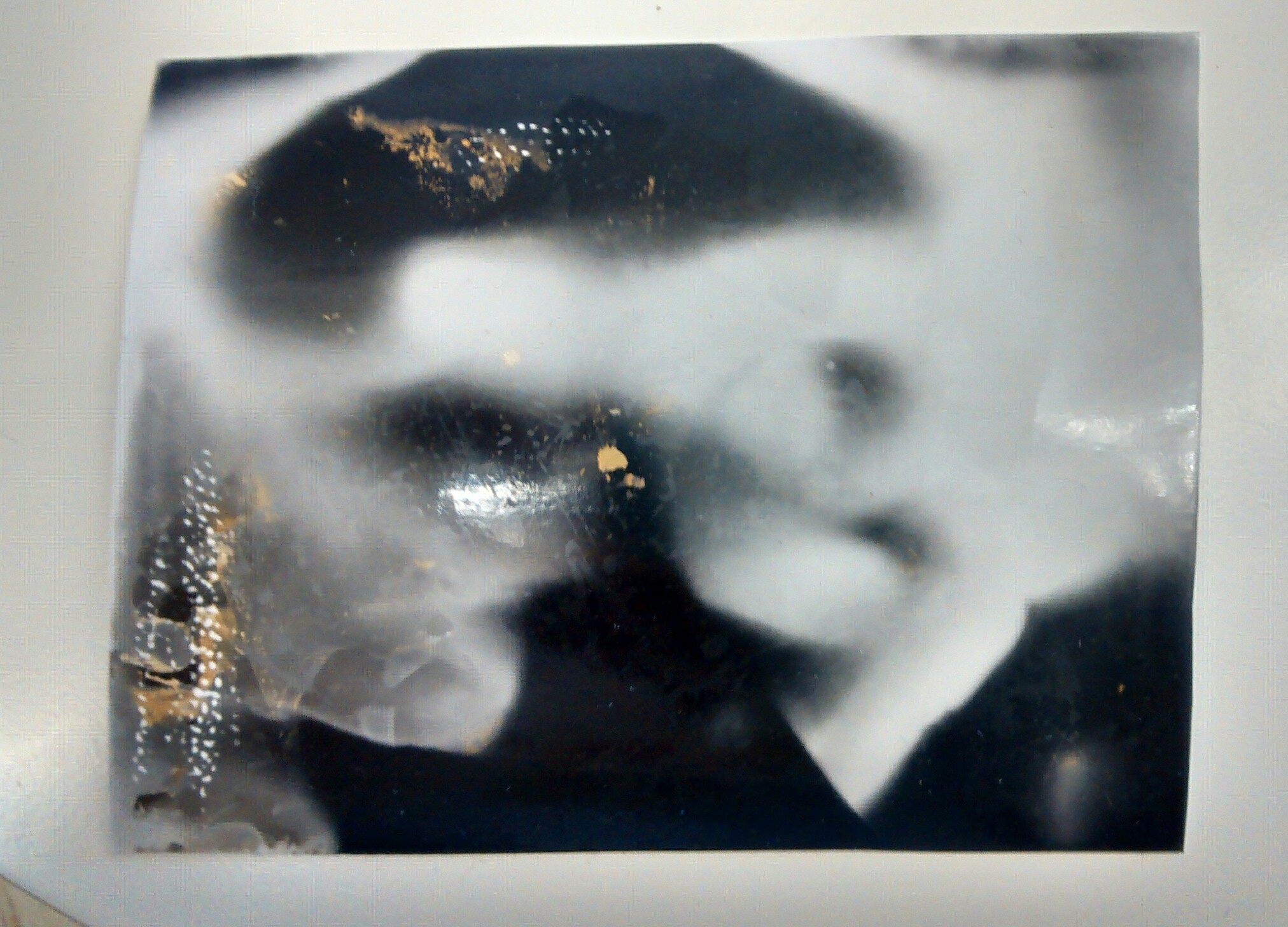
The first thought that came into my head was “how in the world are we going to build a camera (that actually works) out of only cardboard!” But after reading some instructions building the camera was not that hard after all. When the camera was done my group and I were really excited to start taking pictures and see how we had done with the camera. We spend a whole class period working in and out of the dark room. In the dark room we put the photographic paper inside the camera and closed the camera tightly so that no light got in the camera. We went outside uncovered the whole and waited for 15 seconds then covered the hole again. We went back to the dark room and processed the picture. Taking the pictures was really challenging for my group and I, we tried like a million times for at least a decent picture to come out. At the end we just chose the one we thought was best (most of the came all black! too much light) this was the picture we decided to keep:

PLTW pinhole camera image

I really have no idea what this picture is of.

In this module we also learned and discussed about the importance of photography and how it impacts our daily life. Photography can hold memories, history, stories emotions and feelings. Every photo has story, you just have to seek for it. I guess only my group will see the story in this image (the struggle we had trying to get a decent picture!)
Overall this module was really fun and we also learned a bunch on how these pinhole cameras work. I would definitely build another one and try to do a better camera to get some better looking pictures 🙂
Anyways thanks for reading!

Trial & Error by Claudia Luong

In my last module, I studied the art of prosthetics. This belongs in the BioMedical field. I have heard about prosthetics before and and knew that it was like building a fake limb. Doing this module informed me more about prosthetics and I had a connection to the movie, Dolphin Tale. A dolphin that lost his tale and a man tried different materials and shapes to do whatever is best for the dolphin. I thought this was so similar to our goal of making a comfortable leg for a patient who lost their leg.


Personally, this has to be my favorite modules out of all of the ones I have done. I felt the most confident about my product as well. My feelings about the engineering module was the total opposite. Building a bridge out of toothpicks and string was not my favorite thing to do and was frustrating as we got deeper in the project. But as I was building the leg, I got more and more ideas of how I could make the leg more comfortable for somebody. I got ideas like putting bubble wrap and some of a noodle to make it more comfortable. We changed the material of the foot. At first we thought thick cardboard would cut it, but we realized a full grown man would probably crush it. We tried a medium sized piece of wood that wasn’t too thick, but not too thin and made sure it could fit in a shoe. It was perfect.


Even though they weren’t the most trustworthy materials. I think it was pretty sturdy for reused materials. We didn’t buy anything. It was all from the recycling bin that people donated. My team tried new materials and learned from our mistakes. I think that you can make anything from anything. I’m proud of this product because I feel like it can actually work. Unlike my past modules/products where they weren’t so reliable and could break apart any moment.


I learned a very important lesson throughout all these modules. I tried and learned from my past modules what I need to do better and what didn’t work.

Construction in Process

A while back, like a couple week ago, I did a module about wood work and I really like it. Construction and fabrication are fields were women aren’t as represented as men, but males aren’t always the domainat gender in all the fields like teaching and nursing; but there’re are also fields and professions that woman aren’t as represented as we well like them to be in professions like politics and in the engineering industry. That needs to change, women are as capable as men or if not more.
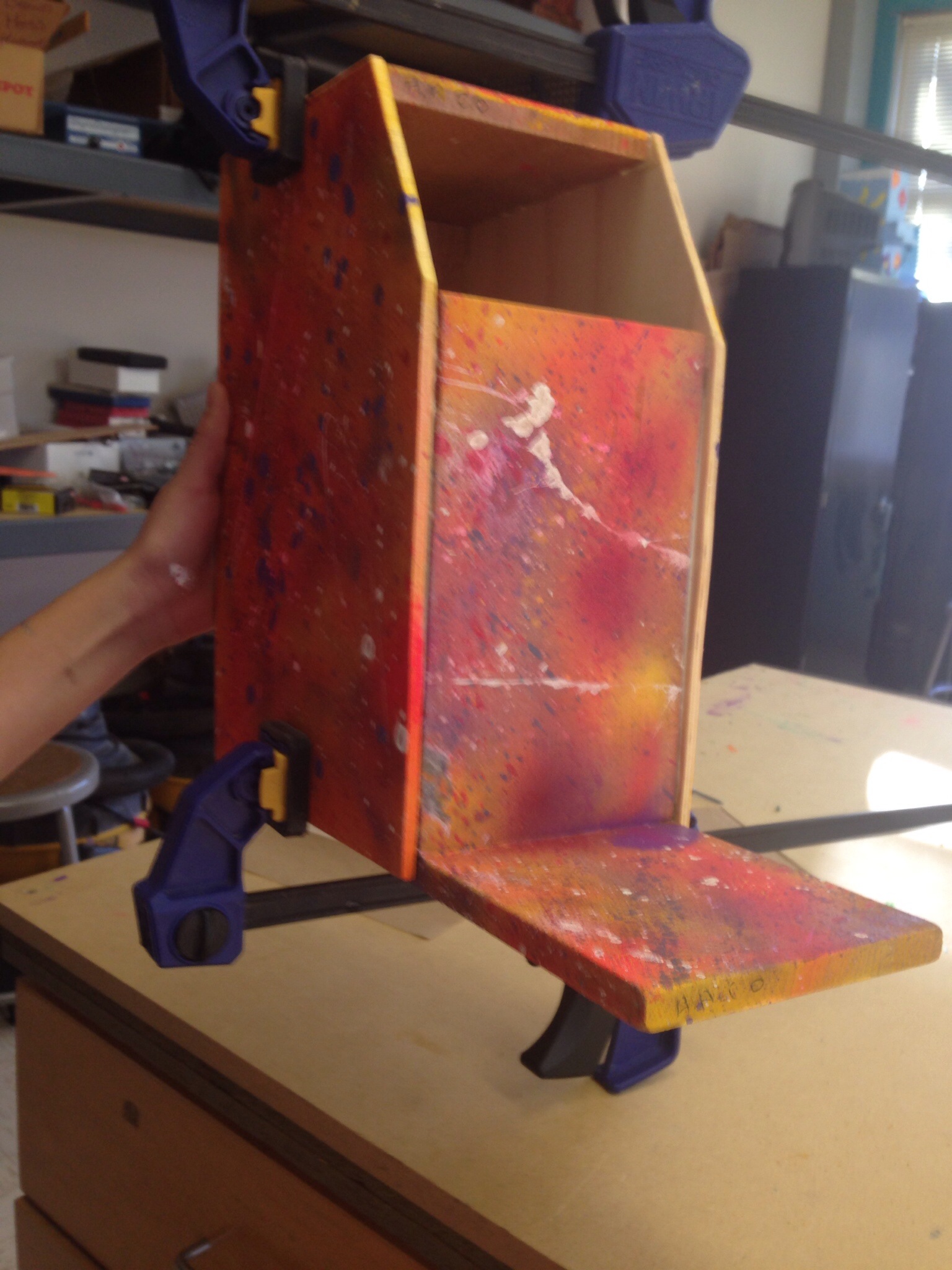
us the skill and experience using a drill and a hammer. imageAfter that, we used the skills we learned by designed and constructing a bird house. First we used the design process, then we choose the most efficient one and we started building it. Next we starting measuring wood for cuts and started cutting. I enjoy working with saws but it isn’t as easy as you’ll expected it to be. There were multiple saws you had to use for different type of cuts. We used two different saws to cut two different wills then we used a special drill to make the hole were the bird will enter by. Then after that, we glued the wood together and we had to clamp it so it will stay still and glue as fast as possible, but overall waiting for the glue to dry to about a day. Last but not least, we hand painted are bird house, I have to say that I love painting but I ruined one of my shirt painting. After the ups and downs of this module I loved working with woods and saws and even painting, I thought it was fun; now after that I’m mostly certain that I’m going to pick engineering as my high school pathway.

By Luz C.

A ” Little Bit” of Everything

By Izabella Matheson

My recommendation when told to try something new, is to not only try it, but to embrace it. While this may sound cheesy and overused, it proves to be effective quite often. Though you may feel as though you will completely and utterly hate this new thing you are attempting, if you brace the situation with a positive attitude, you will always have a more pleasant time with it than if you prepare for the worst.

I decided to take my own advice on my most recently completed module, computer science, which is part of the engineering pathway. I questioned if I would enjoy the module, but I encouraged myself to face it with enthusiasm, which overall made the experience of the project better.

The module began with challenge one, where my two group members and I compared and contrasted simple and complex machines and defined computer science in order to have a better understanding of our task. We then moved on to challenge two, where we were assigned to create an interactive piece using Little Bits.

Little Bits are small, vibrant, pre-programmed mechanical pieces that when put together, can cause numerous different events to occur. Little Bits can brighten a light coil, cause a beeping noise, flashing lights, spinning of a small rod, and much more. I was instantly fascinated by their seemingly endless abilities, and knew that this module would be fun, incorporating them into our design.

About 20 rejected ideas and a few drafts later, we finally decided we were going to make a model Christmas tree. This tree, however, would be unlike any other; It would be illuminated from the inside out using Little Bits. Plus, the tree itself would be created using the 3D printer, which thrilled me even more.

We got to work, printing the Christmas tree and setting up the Little Bits. Once the tree was in our grasps after hours of printing, we spray painted its plain white body green and arranged the Little Bits to light the tree up by sticking a light rod inside of it. This process, which seems rather simple, was actually long and a bit frustrating, but the end product was overall worth it.

I am thankful that I went into this project with eagerness and determination. Through not only this module, but also the entire PLTW class, I have gained so much, learned to appreciate the power of having a positive attitude, and to not be afraid to try “a little bit of everything.”

Prosthetics by: Lilly Alvarado

Blog Post-

I just finished the module called prosthetics. It was actually really fun to do, we got to build a prosthetic leg out of recycled materials.

For my groups leg we had the idea of using one of those big ozarka waterbottles to be the part you stick your leg into. The bottle was sharp so we glued on a couple layers of bubble wrap so that it would be much more comfortable. The main part of the leg or what held everything upward was a hard cardboard tube. The foot was a block of wood but we sanded it down and cut it so it woild fit inside of a team members shoe.

To use the leg you would have to tie the string we attached to the watter bottle around your leg and then just start walking.

This project made me think about how easy the people with all of their limbs have it. In the beginning of this module we had to go without a body for five minutes, and I chose to go without my leg. My legs got really tired just hopping around from place to place and i was getting off balance. It makes you think about how hard it was for you to go without that body part for five minutes, and people have to go without the limb for their whole life.

Future of Prevention by Marlene Mora

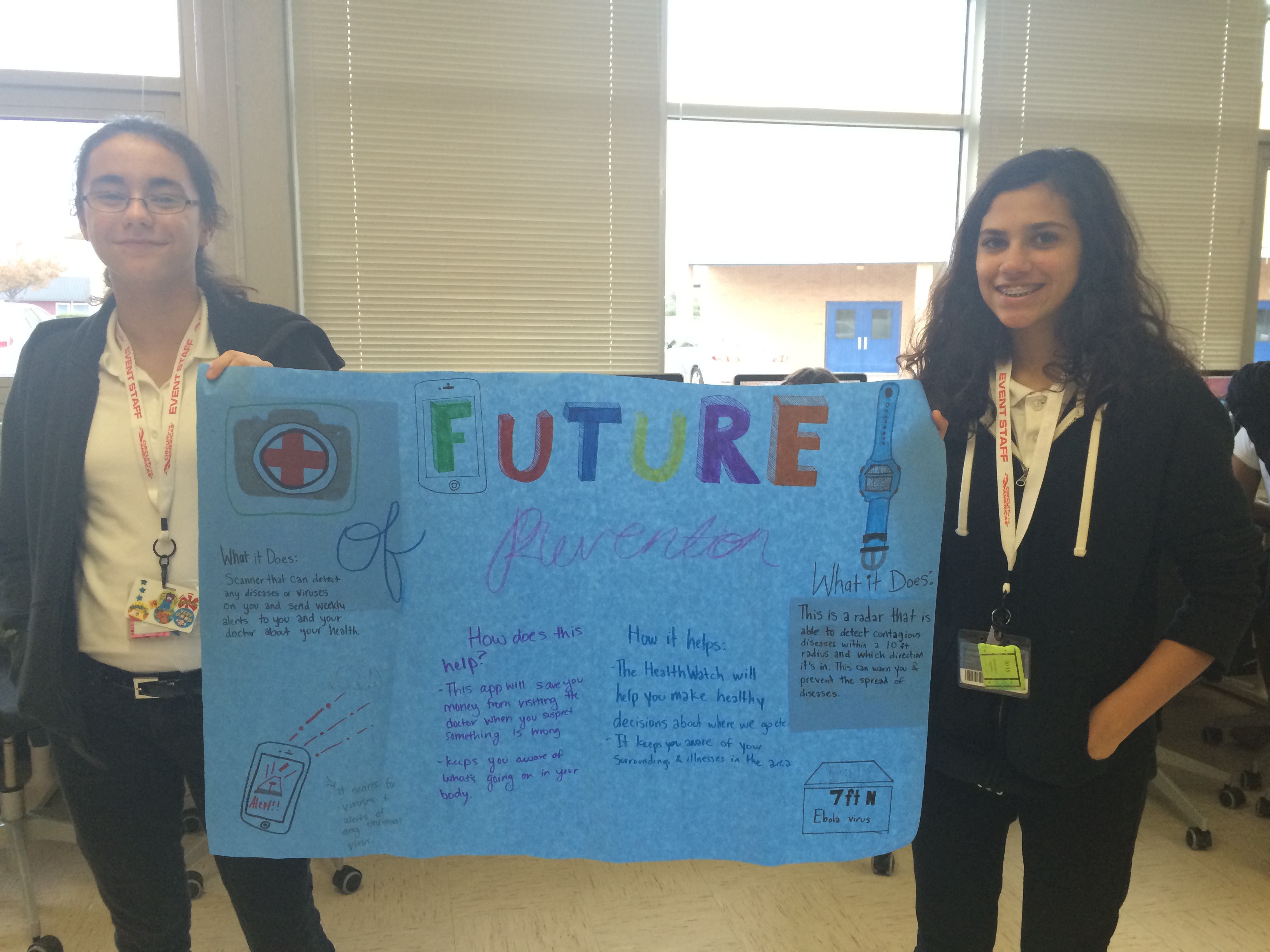
Hi, I’m currently an 8th grader at Ann Richards and my name is Marlene. Recently in my PLTW class I completed the Biomedical Science module. For those of you who may not know what a module is, it’s  part of a special curriculum we have here at Ann Richards to help us determine what we like and what pathway we might be interested in 9th grade. The pathways are Media Technology, Engineering, and Biomedical Sciences. I had some mixed feelings going into this module because I was thinking that maybe I wasn’t going to have the skill to for this module or any biomedical related modules/projects.

In this module we got to explore our imaginations and the biomed field. The theme of this module was hypothesize what we think medicine would look like in 10, 20, 50, or 100 years. My group and I decided to take this idea one step forward and add technology into the mix. We decided that instead of focusing medicine we’d go a little more into prevention. Our theme was Future of Prevention and we decided that instead of thinking of cures we’d focus more on preventing any type of illness or diseases.

We thought of 1 device and 1 app. Our device is a “watch” aka a radar that anyone can use to be able to detect any virus/disease within a 10 ft radius and which direction it is located in. This watch is basically a radar that will benefit society in many ways. For example it will keep you informed about what is going on in your surroundings, the people you’re around, and overall it keeps you safe!!

Our other idea was this app that was kind of like a scanner. Have you ever had a scan code app? This is similar except it scans your body to try and detect viruses/diseases. This app is designed to detect any minor illness or disease in you with the click of a button. How it works is that you just scan any body part that you feel is not well, for example your nose. It would be able to tell you if you have a sinus infection or simply allergies. Besides that it also sends notifications to your doctors about your conditions on a weekly basis so they can keep track of you as well. This comes in handy because many times we go to the doctors office whenever we are unsure of any sickness and sometimes that can cause a lot of money. This app will ensure that you only go when necessary to the doctors.

Through this module we also learned to use this app called Arasma. It’s a cool app that can pretty much make anything interactive. You can program it to make certain pictures and information pop up once aimed at a certain object. I just fought this was really interesting and a great way to make learning more fun.

Overall I feel like I was able to conquer my doubts and make the most of this module. I got to be creative and think of ideas I’ve never thought of before. I am definitely going to consider the Biomed Pathway now. 🙂

IMG_5558

Engineering Modules

Engineering in PLTW is really fun. Or at at least I found it really fun. The modules that I have done of all engineering modules are the bridge, computer automated drafting, construction and fabrication basics, and materials.

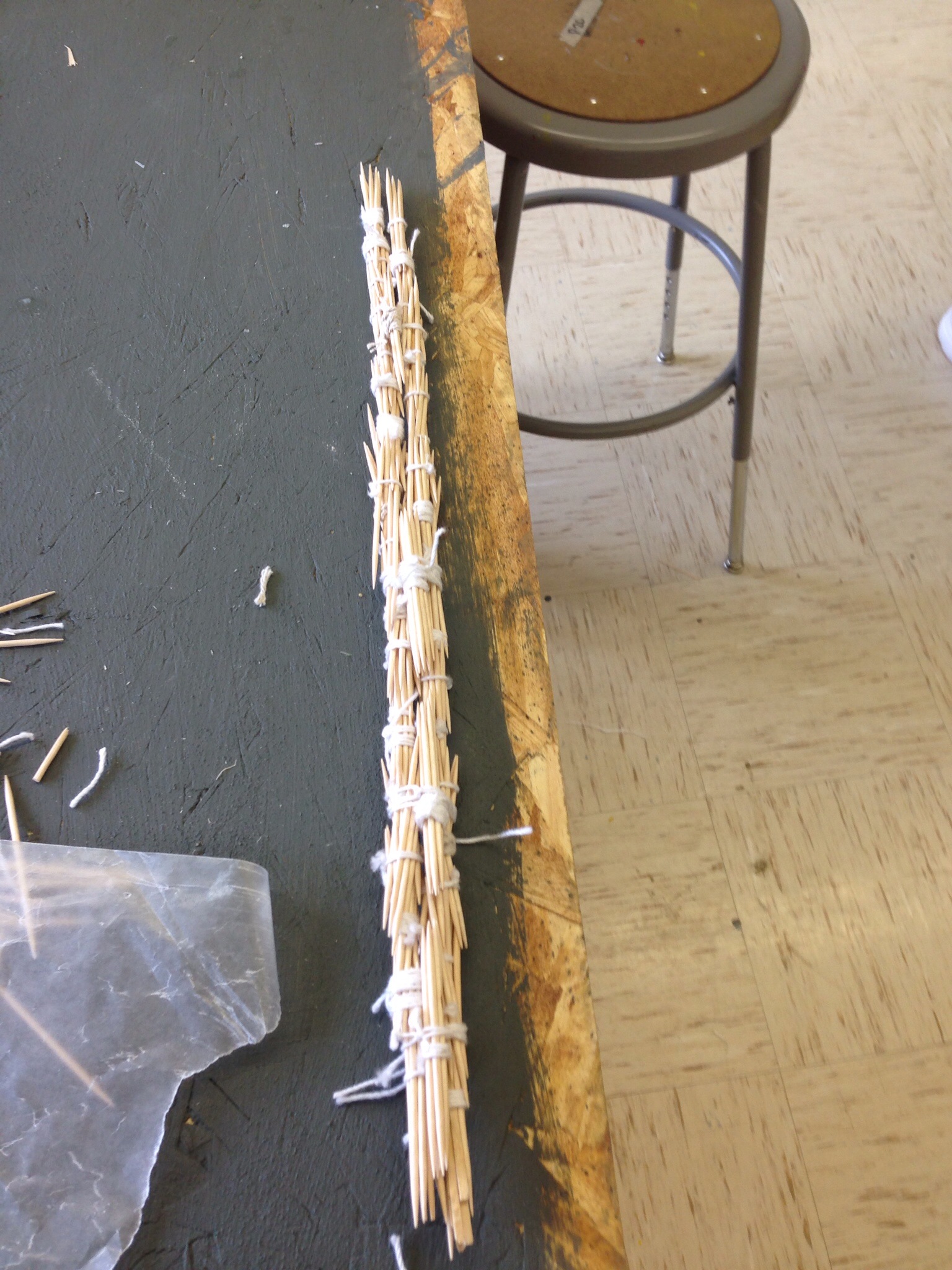
The bridge module was to build a self-supporting beam/truss. We had to build the bridge only using glue, toothpicks, and cotton thread. It wasn’t easy but it was fun to trying different ways to get it put together.

IMG_0318-1.JPG
Computer automated drafting module was a review of inventor. We used inventor to create your object in the program using what we learned last year. It was a good review because you don’t know when you might need it in the future, it may help.

Construction and fabrication module was to build a bird house only using right angles. We use cedar fenceboard, plywood, wood glue, and spray paint. It was so much fun. I wish I could build another.

IMG_0532-1.JPG
The materials module was the late is module I have done. The module was to spell out a word that relates to our school and use up cycled materials to spell out the word. My group use the word “star”. We use wood that had been use in passed projects, soda can top openers, and beads or used rainbow loop rubber bands. It was fun to build it and see the different ideas each person had to create their letter.

IMG_0598-0.JPG
I really enjoy doing the engineering modules. I enjoy them because they are really fun to me and I love to build things or look up on how to build different thing I enjoy doing, like skateboards, so I’ve looked up how to build a skateboard before. I really enjoy engineering, and when you enjoy something you should continue to do that something.~Ora Edwards